
Alpha Gal Hidden Ingredients: The List That Actually Matters.
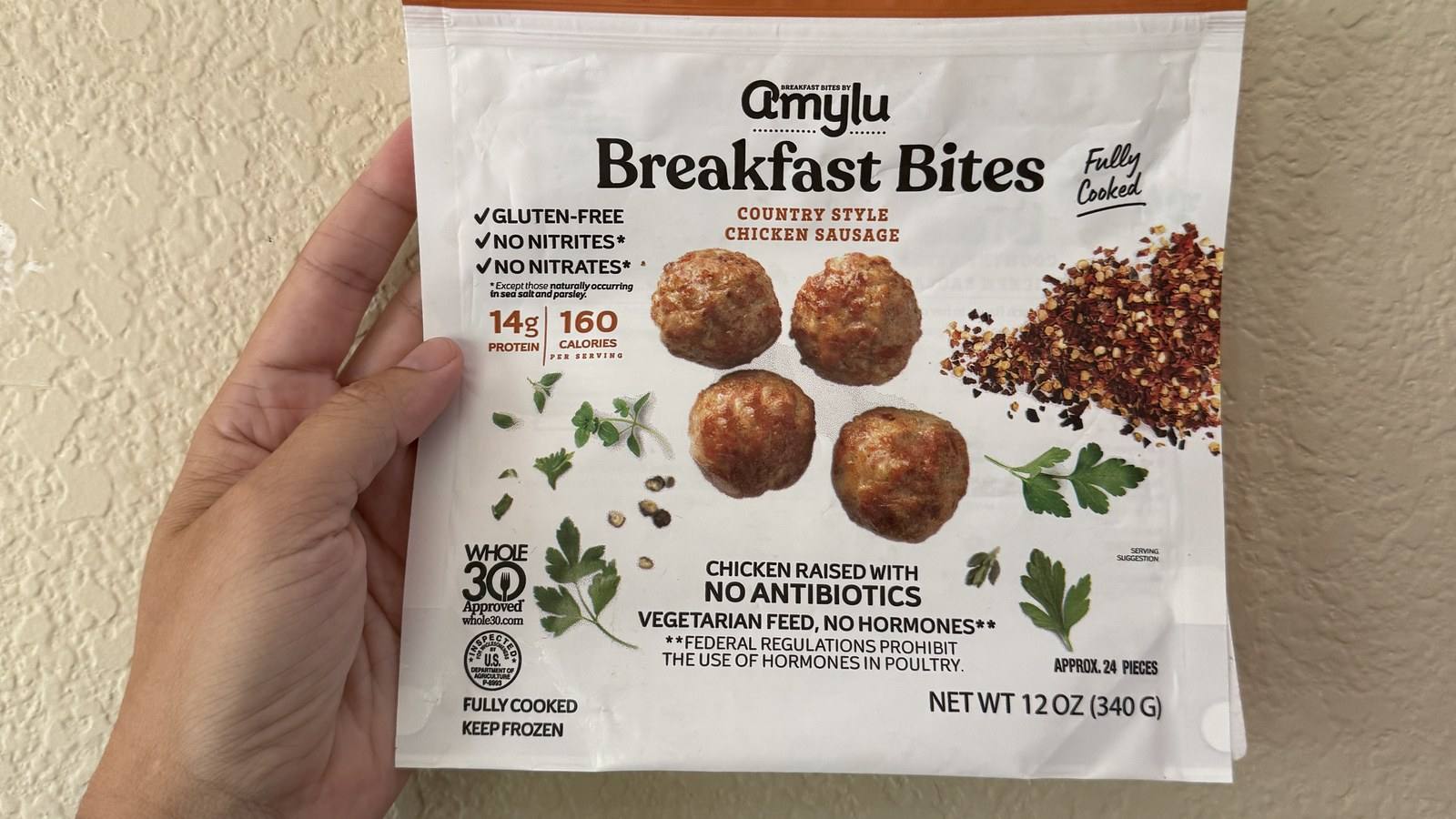
You are standing in an aisle holding a package of chicken sausage, reading the ingredient list for the third time, and you have no idea what you are looking for. That is the actual experience of the first month. Not the diagnosis, not the doctor, not the moment somebody finally names the thing. The aisle. You in the aisle, at 6:40 on a Tuesday, looking up a word you cannot pronounce while somebody tries to get past you with a cart. That was the case for me anyway.
So, here is the list of Alpha Gal hidden ingredients. It is the one I would have wanted, which means it is sorted by how much you actually need to worry, not alphabetically and not by how scary it sounds. I hope this post resonates with you and helps ease your grocery shopping concerns ever so slightly.
Read this part before you read the list.
There are three tiers here, and mixing them up is the single most common mistake I see in this community. Tier one is for everyone with Alpha Gal Syndrome, no judgement here. Tier two is the part that varies enormously person to person. Some people with Alpha Gal eat cheese every day. Some react to a splash of cream, or if you’re like me, you can eat cheese but definitely not milk or cream. Both of these are a normal experience of this condition, and neither one can tell you what your version looks like. Tier three is the tier the internet has convinced everyone belongs in tier one. It mostly does not.
If you are newly diagnosed, work tier one first and give it a few weeks before you go anywhere near tier three. Most people never need tier three at all. Restricting your entire diet on day one, based on a list a stranger made, is how people end up extremely stressed, malnourished, frightened, and no closer to knowing what their actual triggers are.
The most careful resource in this space, Alpha-gal Information, makes exactly this point. Their guide to trace exposures opens by telling you not to read it yet. So much of Alpha Gal has to be based on your lived experience, and there is so still much research to be done on the disease.
This is my lived experience, not medical advice. I am not a doctor. Please work out your own triggers with an allergist or your primary care physician.
Tier one: the ones that apply to everybody.
These are mammal derived by definition. There is no plant version and no brand that gets it right. The obvious half, which you already know: beef, pork, lamb, venison, goat, bison, rabbit. Organ meats, which carry even more alpha-gal than muscle meat does. Mammalian blood, which shows up in blood sausage and black pudding. The half nobody tells you:
Mammalian fat. Lard, tallow, suet. This is the one that gets travelers and diners more than anything else on this page, because it is not an ingredient anybody thinks to mention. It hides in tortillas, tortilla chips, pie crust, refried beans, baked beans, pastries, mashed potatoes, and vegetable sides. Some corn muffin mixes contain lard. Beef fat is sometimes added to fryer oil on purpose, for flavor. It’s becoming more common for restaurants to use beef tallow in their fryers and that’s a no go for someone with Alpha Gal Syndrome. I always ask if a restaurant uses pork lard in their beans or other things.
Sausage casings. Mammalian gut and mammalian collagen, and they turn up on chicken and turkey sausage constantly. Worth knowing: removing the casing and eating the sausage anyway is not a workaround. People have had severe reactions doing exactly that. Mammalian intestine is very high in alpha-gal. This one makes me so frustrated. I’ve purchased turkey sausage before thinking it would be okay, but it was wrapped in mammal sausage casing.
More to watch out for.
Broth, stock, bouillon, and gravy. Beef and pork base is in more soups, sauces, rice dishes, and dressings than you would guess, including some chicken broths, where it arrives as natural flavors. Meat extracts. The concentrated spreads and stock pastes. Flounder roe. This one is genuinely strange and worth committing to memory. Flounder eggs contain alpha-gal, and in one study roughly three quarters of people who reacted to red meat reacted to them too. The flesh of the flounder is not a problem. No other commonly eaten fish roe has shown the same thing, but be cautious with unfamiliar roe you have never had before.
And a heat note that changes how you think about all of it: alpha-gal is heat stable. Cooking does not destroy it. That is why a shared grill or shared fryer oil is a legitimate question and not a fussy one. That’s also why my husband is banned from cooking bacon inside. The smell alone is enough to trigger a reaction for me.
The reason it is called hidden.
Here is the part that took me the longest to understand, and it explains most of the confusing reactions people have. In the United States, processing agents do not have to appear on the label. Ingredients do. Processing agents do not. Which means gelatin can be used to clarify apple juice, wine, and beer, and legally never appear anywhere on the bottle. Carrageenan can be sprayed on cut fruit to keep it fresh, applied to fish to hold moisture, or used to clarify beer, and never appear on the package. Raw chicken can be injected with broth, carrageenan, or natural flavors before you ever see it. You are not missing it because you are bad at reading labels. It is not on the label.
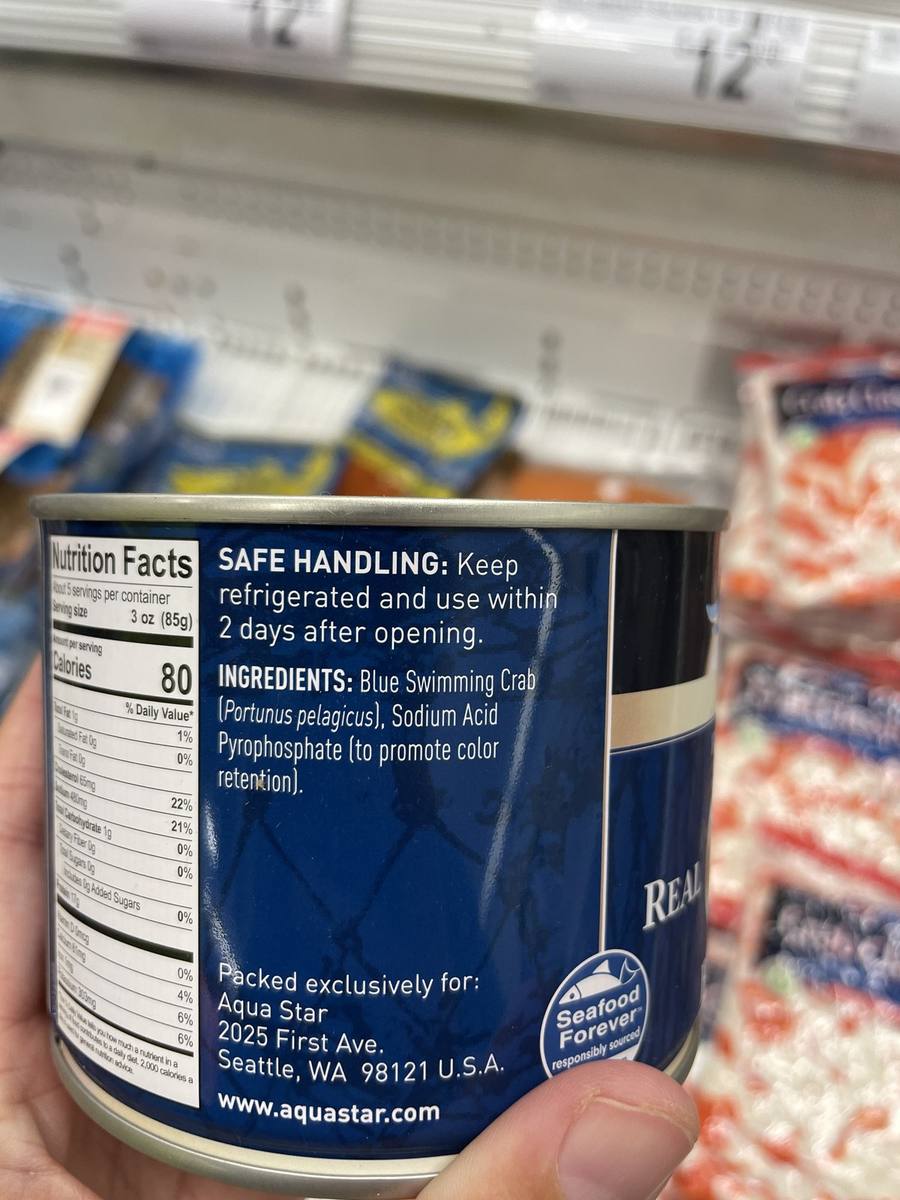
This is also why “I checked the ingredients and there was nothing” and “I reacted anyway” can both be true at the same time, and why the delayed reaction makes this so hard to untangle. You ate at seven. You felt awful at midnight. By then you have eaten four other things and the actual culprit was never written down.
More things to look for.
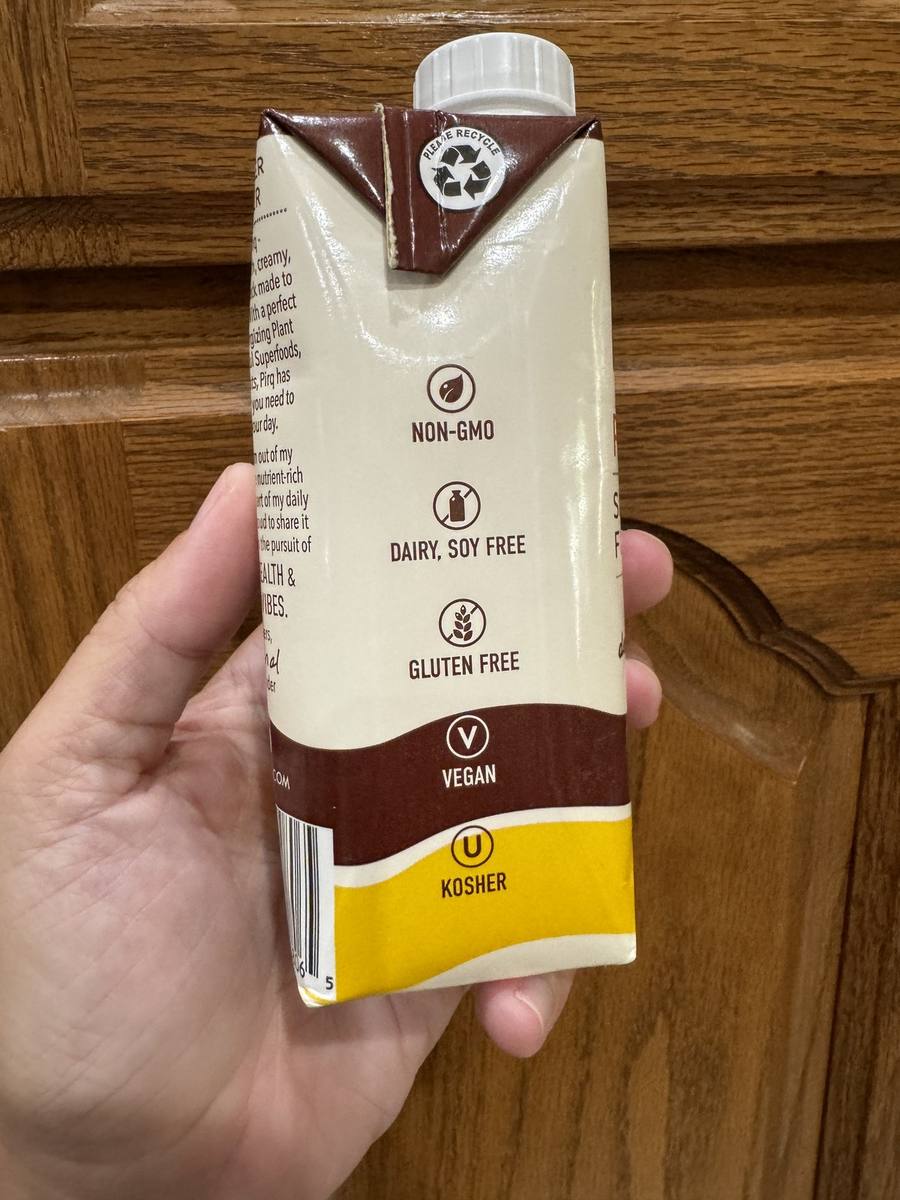
Two more label words that do not mean what you think. Non-dairy is not dairy-free. Non-dairy products can legally contain whey and casein. Dairy-free is the term you want, and even then, check it for carrageenan and for vitamin D3. Vegan is not regulated by the FDA. Certified vegan is verified by an outside organization and is a much better bet. Vegetarian means nothing here at all, since vegetarian foods contain dairy by definition. And kosher pareve is not a dairy-free guarantee either, since pareve products can contain milk protein under kosher rules. Then there is natural flavors, which is the most useless phrase on any American label. It can be derived from beef or pork, and the manufacturer is not required to tell you which. In poultry products specifically it is often beef or pork based. There is no clever workaround. You call the company or you skip it.
Tier two: the ones that vary, wildly.
This is the tier where the internet does the most damage, because it takes the worst case and hands it to everyone.
Dairy. Somewhere between 10 and 33 percent of people with Alpha Gal Syndrome react to it. Alpha-gal concentrates in fat, so high fat dairy is the usual offender. Ice cream is the classic. Butter and cream are more likely to be a problem than skim milk. Most people with this condition drink milk and eat cheese without incident, and if you are one of them, please do not talk yourself out of it because a Facebook thread told you to. For me, I can’t drink milk or have heavy cream, but cheese and butter (in limited amounts) are okay. It’s a very personal thing and varies widely.
Rennet, which is a subcategory of dairy worth pulling out on its own. Rennet is an enzyme usually taken from the stomachs of ruminant mammals, and it is used to make a lot of cheese, especially hard cheese. Parmesan is the famous one. It can appear on a label as simply enzymes. It is not uncommon for someone who tolerates milk and yogurt fine to react to Parmesan and be completely baffled by it. Cheeses labeled vegetarian are made without animal rennet.
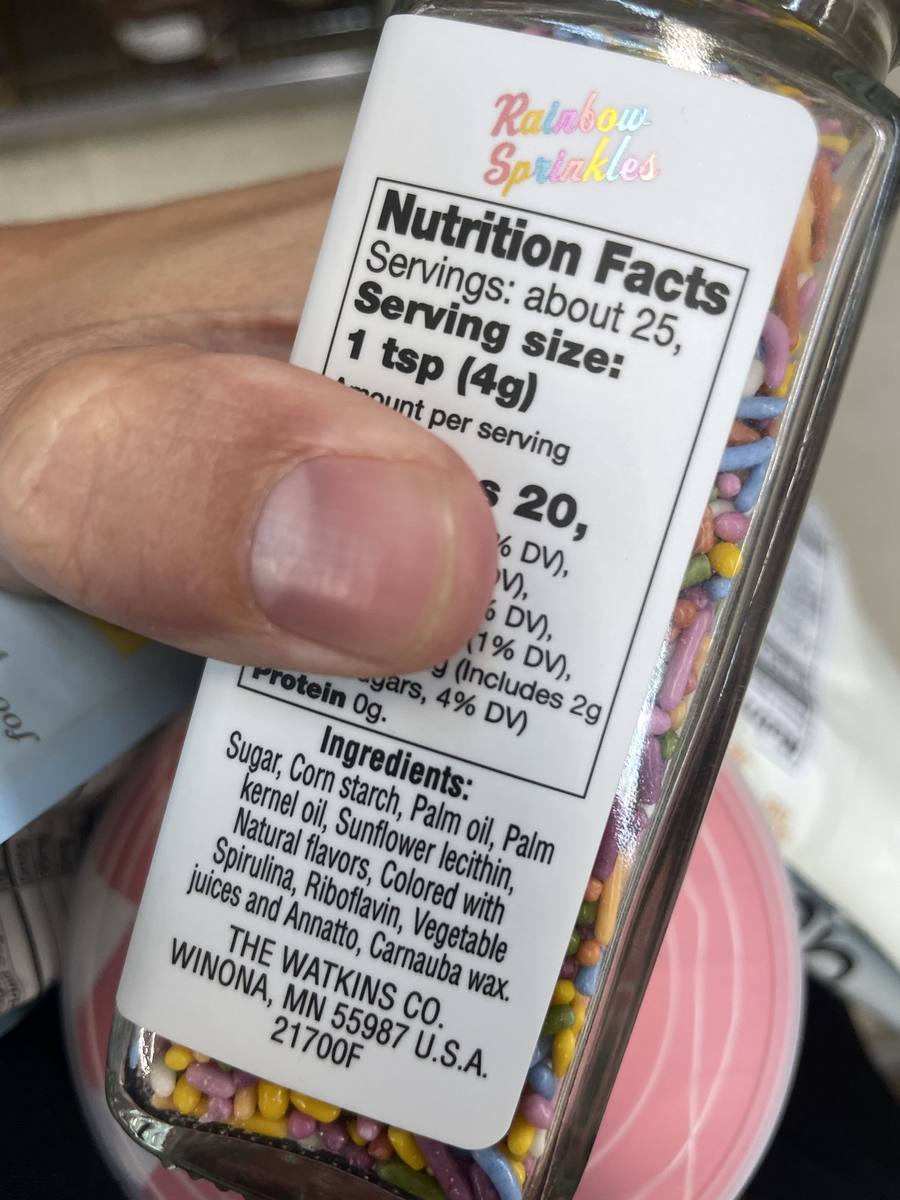
Gelatin in food. Fewer than 10 percent of people with Alpha Gal react to it, but the ones who do can react badly. It is in gummy candy, marshmallows, some jelly beans and candy corn, frosted cereals, some toaster pastries, some yogurt and sour cream and cream cheese, frostings, puddings, gummy vitamins, and gel capsules. Some brands of dry roasted peanuts are coated in it to make the salt stick, which is the kind of detail that makes you want to lie down. Gelatin is a no go for me.
A few more to look out for.
Carrageenan, which remains genuinely unresolved. It is seaweed derived, so no mammal is involved. A 2015 paper argued it carries the alpha-gal molecule anyway, and later lab work did not confirm the cross-reactivity. Somewhere around 1 to 2 percent of patients report reacting, and the patient community strongly suspects the real number is higher, because carrageenan and dairy travel together in exactly the products people blame on dairy. Neither “carrageenan is dangerous” nor “carrageenan is a myth” is currently supportable. If you react, take it seriously. If you do not, there is no evidence-based reason to hunt it off every label.
Whey and casein. Concentrated dairy protein, and whey in particular has a worse reputation in this community than milk itself. It is in protein powders, protein bars, protein drinks, and a startling number of soups, dressings, and chips. I always use vegan protein powders (plant based) and marine collagen.
Vitamin D3. This one surprises people. Most D3 is derived from lanolin, which comes from sheep wool. It is in fortified cereal, fortified juice, fortified plant milks, and supplements. Vegan D3 is made from lichen and is not a problem. Reported reaction rates to trace byproducts like this run around 1 percent or lower, so this is a tier two item that behaves like a tier three item for most people. Mono- and diglycerides. Sometimes plant derived, sometimes not. Common in bread and ice cream. Same story as D3: low reported reaction rate, worth knowing the name, not worth reorganizing your life around.
Tier three: the ones the internet has oversold.
I want to be careful here, because this is where I could be accused of telling people something is safe. Here’s the deal: I am telling you where the evidence currently sits, and that some of these have no evidence behind them at all.
- Magnesium stearate and stearic acid. Very commonly plant derived. Largely theoretical as a trigger, with very little data, and most patients tolerate magnesium stearate without issue. The internet drastically overstates this one.
- Glycerin. Can come from plants or animals, and the label almost never says. Most people with Alpha Gal tolerate mammal derived glycerin in personal care products, and plant derived glycerin contains no alpha-gal at all. Between those two facts, this is not where I would spend my worry. (I wrote more about the topical side of this in the spa and skin care post.)
- Sugar processed with bone char. Some of the most sensitive people in this community report reacting to it. Experts are skeptical that enough alpha-gal survives the process to matter. If you find you react, organic and unbleached sugars are not processed this way. If you do not, this is not a reason to throw out your sugar.
These too, and they might surprise you.
- Gums. Gellan, xanthan, guar. A real number of patients report GI trouble with them, but there is no documented mechanism and nothing in the literature. It may not be an alpha-gal issue at all. If you react, avoid them. Otherwise carry on.
- Nori, agar-agar, koji. All three have a theoretical connection, all three are tolerated by most people with Alpha Gal, including most of the highly sensitive ones. Watch for them only if you have a reason to.
Here is the principle I keep coming back to, and it is the reason this post exists at all. A list that tells a newly diagnosed woman to avoid forty ingredients gets ignored entirely. A list that tells her to watch three gets used.
Fear lists that flag everything end up flagging nothing and only cause unneccessary mental anguish for someone who is already overwhelmed.
Want this sorted for you.
This whole page, condensed to one you can screenshot and take to the store. It is section two of my free Travel Starter Kit, along with the ten questions I ask restaurants and a card you can hand to a chef.
The version that fits on a phone screen at a restaurant.
When you are sitting down and somebody is waiting for your order, you do not need this whole page. You need six questions.
- Is anything on this plate cooked in the fryer, and is that fryer shared?
- What oil is used in the fryer?
- Is the grill shared with red meat, or is there a separate surface?
- Is there butter, cream, or broth in the sauce, the vegetables, the rice, or the mashed potatoes?
- Is the tortilla or the pastry made with lard?
- Are the beans made with lard or bacon fat?
That third one matters more than it looks, because chefs often do not count butter, cream, and stock as ingredients. They are technique, not components. You have to ask about them by name. Those six cover the overwhelming majority of restaurant exposures. Six questions, not forty, and it is the reason I can eat somewhere nice without turning dinner into an interrogation.
The Celiac overlap, briefly.
If you are managing both conditions, like I am, you have already noticed that the two lists barely touch each other and occasionally fight. Gluten free bread and baked goods lean harder on additives, gums, and mono- and diglycerides than regular bread does, because something has to do the job the gluten was doing. Gluten free substitutes for dairy products are often exactly where the carrageenan lives. And the safest-looking option on a menu, the plain grilled chicken and vegetables, runs straight into the shared grill and the butter finish.
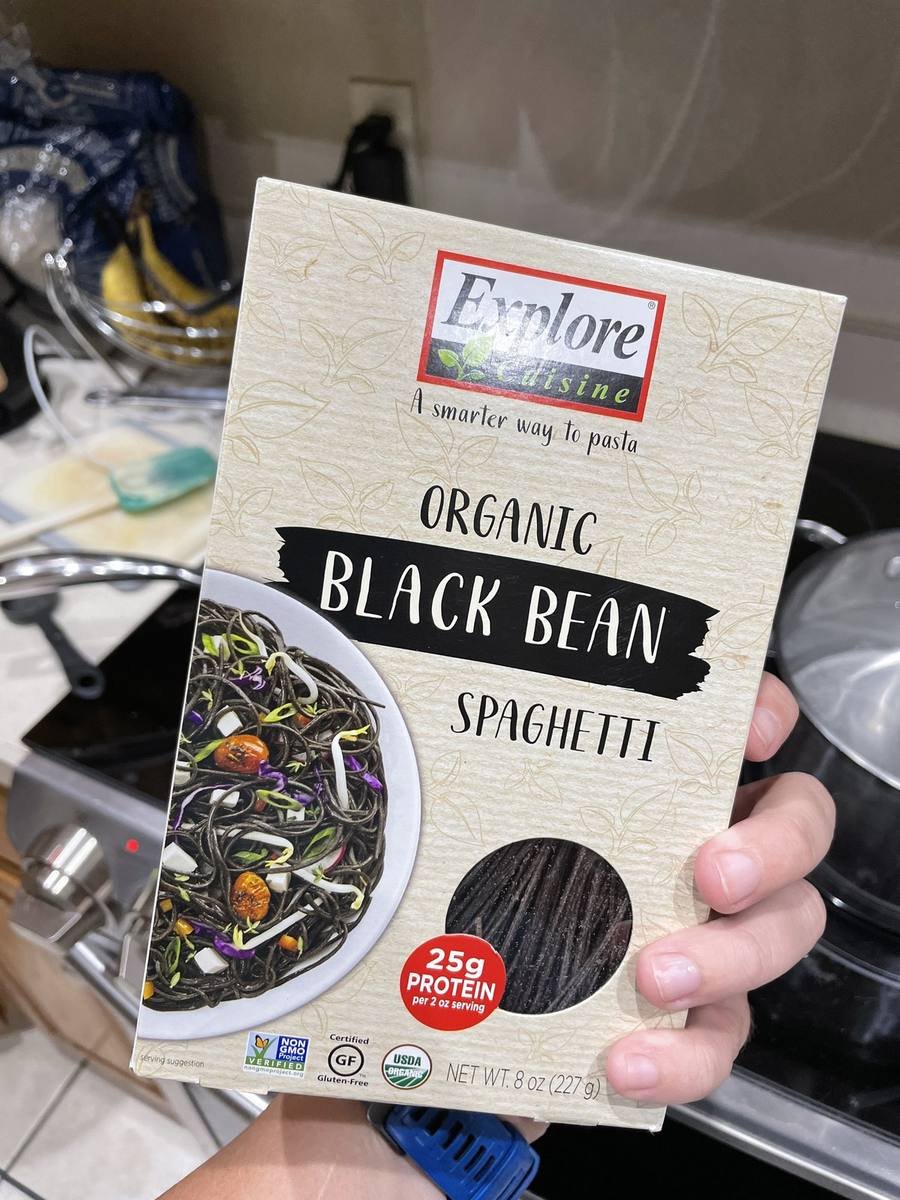
I will not pretend I have a tidy system for it. What I have is the habit of asking about fat and surfaces first, because that is where the two conditions overlap most, and then working outward from there. Cross contamination from mammal products bothers me far more than accidental gluten exposure. That’s a personal experience and I’ve worked out my own rules to eat safely based on that experience.
What I want you to actually do with this.
- Start with tier one, and only tier one, for two or three weeks.
- Keep a log with times in it, not just meals. The gap between eating and reacting is the whole diagnostic clue, and you will not remember it accurately later.
- If you are still reacting after that, move to tier two, one category at a time. Dairy first, since it is the most common.
- Do not go to tier three unless tier two has failed you. Most people never get there.
Take this to a registered dietitian if you can, especially if you are managing another condition alongside it. Dr. Scott Commins, who is about as close to an authority on Alpha Gal as exists, recommends exactly that, and it is better advice than anything a blog can give you. Do not restrict your entire diet based on a website. Including this one. Work out your own triggers with medical guidance rather than adopting the internet worst case as your personal baseline.
When it feels hard.
The first month of this feels like the world got smaller. Every label is suspicious, every restaurant is hostile, and every person who says “so you can just eat chicken, right?” makes you want to walk into the sea. Ten years in, I can tell you that what actually happens is that the list gets shorter, not longer. You learn your own version of this condition, which is narrower than the internet version, and then you go back out and eat.
A diagnosis is not a destination. It is where the real adventure starts.
I am not a doctor. I have lived with Alpha Gal Syndrome and Celiac Disease for over a decade, which makes me experienced, not qualified to diagnose or treat you. Everything here is drawn from published research and my own experience. Please take your questions to a qualified allergist or a registered dietitian.
The free Travel Starter Kit.
New here and drowning in lists? It sorts the Alpha Gal triggers by how strong the evidence actually is, so you know what deserves your attention and what does not. Five pages, and free.
Keep reading.
New to this? Start with what Alpha Gal Syndrome actually is, then my story. Or come find me on Instagram at @alphaceliacgal.
Sources.
- Alpha-gal Information, Trace Amounts of Alpha-gal in Food: alphagalinformation.org
- Platts-Mills TA, Li RC, Keshavarz B, Smith AR, Wilson JM. Diagnosis and management of patients with the alpha-Gal syndrome. JACI: In Practice, 2020
- Commins SP. Diagnosis and management of alpha-gal syndrome: lessons from 2,500 patients. Expert Review of Clinical Immunology, 2020
- Chinuki Y, Morita E, Takahashi H. IgE antibodies to galactose-alpha-1,3-galactose cross-react with a novel flounder roe allergen. J Investig Allergol Clin Immunol, 2021
About the author.
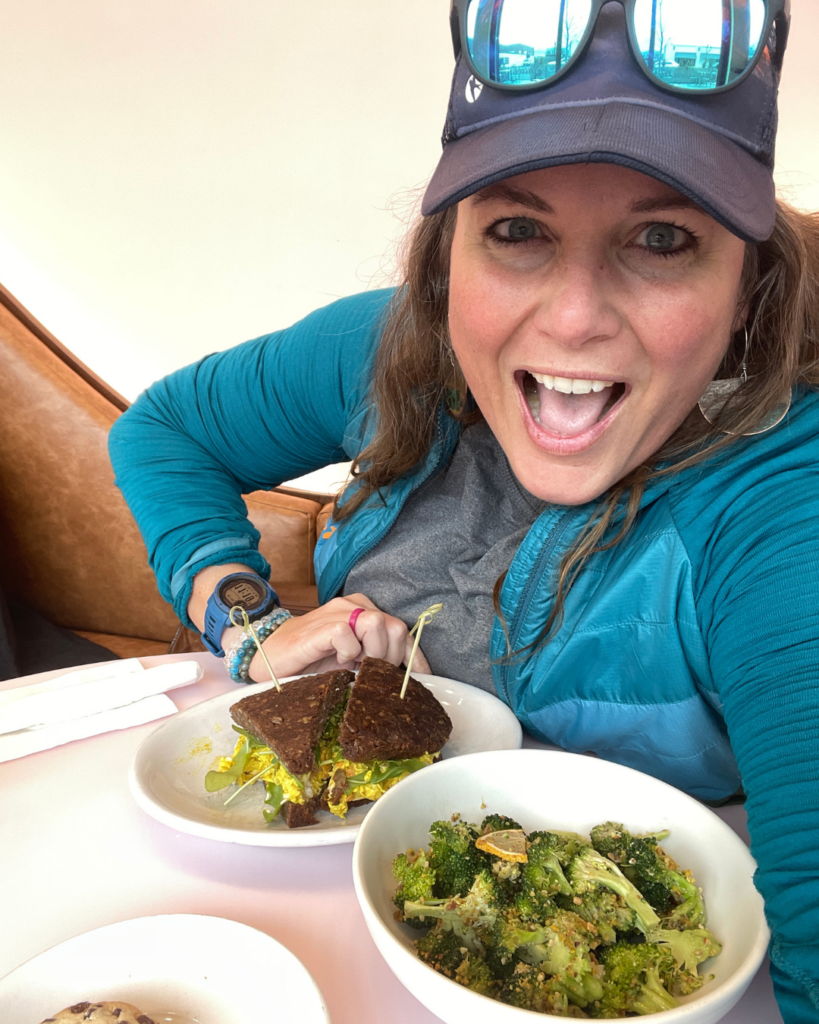
Nichole Holze has spent more than ten years living with Celiac Disease and Alpha Gal Syndrome at the same time, which means she has gotten very good at reading menus, asking better questions, and eating extremely well anyway. Alpha Celiac Gal is where she shares what actually works. Find her on Instagram at @alphaceliacgal. Nichole lives in southwest Arkansas with her family, where she also homeschools her children and runs a blogging and marketing business.